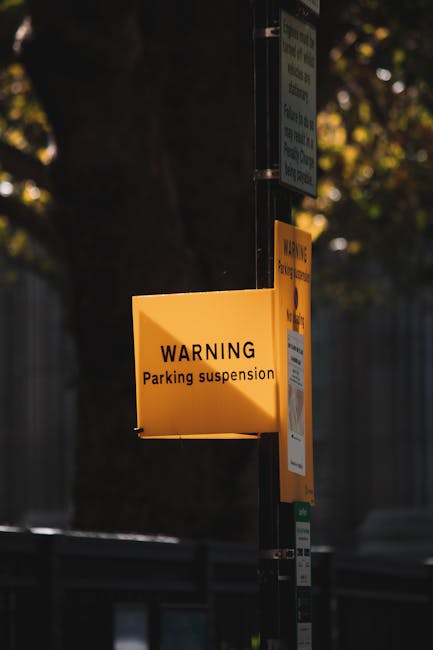
Avoid Fines: Parking Suspension Rules for Harold Hill Movers
Parking can be the make-or-break detail on moving day. One minute you are dealing with boxes, wardrobe screws and the kettle packed too early; the next, you are staring at a suspension sign and wondering whether your van is about to get ticketed. If you are planning a move in Harold Hill, understanding parking suspension rules for movers is one of the easiest ways to avoid stress, delays and avoidable fines.
This guide breaks the topic down in plain English. You will learn what parking suspension means, why it matters, how it affects a house move or office relocation, and what to check before the keys are handed over. We will also cover practical steps, common mistakes, and a few real-world habits that help the day run smoothly. Truth be told, a little preparation here can save a lot of awkwardness later.
Where a move needs broader support, you can also compare moving help through removals, man and van, or movers services, especially if access or loading space is tight.
Table of Contents
- Why Avoid Fines: Parking Suspension Rules for Harold Hill Movers Matters
- How Avoid Fines: Parking Suspension Rules for Harold Hill Movers Works
- Key Benefits and Practical Advantages
- Who This Is For and When It Makes Sense
- Step-by-Step Guidance
- Expert Tips for Better Results
- Common Mistakes to Avoid
- Tools, Resources and Recommendations
- Law, Compliance, Standards, or Best Practice
- Options, Methods, or Comparison Table
- Case Study or Real-World Example
- Practical Checklist
- Conclusion
- Frequently Asked Questions
Why Avoid Fines: Parking Suspension Rules for Harold Hill Movers Matters
Parking suspension rules matter because moving vehicles need space, timing and access. If a bay is suspended, a loading spot temporarily disappears. If a yellow sign is missed, the vehicle may be parked where it should not be. And if the van is delayed because someone has to shuffle around half a street to find legal parking, the whole move can unravel. That is the simple version.
In a place like Harold Hill, where streets can be busy, residential parking can be narrow, and neighbours may already have their own routines, a moving day relies on being precise. The driver needs enough space to stop safely, load quickly and keep the route clear. The household needs the move to stay calm. Nobody wants to begin by arguing with a warden, or worse, coming back to a penalty notice under the windscreen wiper.
Parking suspension is not just about avoiding a fine. It is also about protecting the move itself. Without the right access, fragile items take longer to carry, heavy furniture needs extra handling, and a simple short hop from front door to vehicle becomes a mini marathon. You will notice the difference in the first ten minutes.
It also matters commercially. If you are coordinating a home move, office relocation, or collection of bulky furniture, a failed parking plan can add avoidable labour time. That affects the schedule and, in some cases, the overall cost. For broader planning, it helps to look at related support options such as home moves, house removals, or office removals if your move is larger than a straightforward van load.
Expert takeaway: parking suspension rules are really access rules in disguise. If access is sorted early, everything else becomes easier: loading, timing, safety and even neighbour relations.
How Avoid Fines: Parking Suspension Rules for Harold Hill Movers Works
Parking suspension rules usually work like this: a parking space, bay or length of road is temporarily taken out of normal use for a specific reason and a specific period. The reason might be roadworks, tree maintenance, event traffic management, deliveries, building access, or another local need. The suspension is typically shown on signage, and the details matter. A lot.
For movers, the key is that ordinary parking assumptions no longer apply. A bay that is normally fine for loading may not be fine on the day of the move. A short stop that feels harmless can still be a breach if suspension signs are active. That is why moving day planning should never rely on memory alone. Streets change. Signs appear. Timings get updated. It happens more often than people expect.
A proper plan usually includes:
- checking whether parking near the property is suspended on the move date
- confirming whether loading is permitted, and for how long
- making sure the driver understands any signposted restrictions
- having a fallback parking option if the closest space is unavailable
- allowing time to move the vehicle if a space is only temporarily usable
For moves with awkward access, a smaller vehicle can sometimes be the sensible choice. A moving van or removal van may fit more easily into residential roads than a larger truck. In other situations, a man with a van style service is simply more practical. It depends on the street, the volume of belongings and how much kerbside space is available.
It is also worth distinguishing between parking suspension and general parking controls. One is a temporary restriction that removes normal parking rights. The other may be a long-standing rule like single yellow lines, residents' bays, permit bays or loading restrictions. The mix can be confusing, especially if you are half-packed and trying to answer the phone at the same time. Not ideal.
Key Benefits and Practical Advantages
Getting parking suspension rules right gives you more than legal peace of mind. It changes the tone of the whole move. Instead of everyone asking, "Where are we meant to put the van?", the team can focus on lifting, protecting and getting in and out efficiently.
- Fewer fines and penalties: the most obvious benefit, and the one nobody wants to learn the hard way.
- Less time wasted: the van parks closer, which means fewer trips and less carrying distance.
- Reduced physical strain: long carries are tiring, especially with boxes, mattresses and furniture.
- Better safety: a legal, well-placed vehicle helps avoid rushed unloading into traffic or awkward manoeuvres.
- Cleaner scheduling: when access is known in advance, the moving team can plan lifting order and vehicle positioning.
- Less neighbour friction: nobody enjoys blocking a driveway or blocking a suspended bay by accident.
There is also a less obvious benefit: confidence. Once the parking plan is sorted, everything else tends to feel more manageable. That sounds small, but on moving day it can be the difference between calm and chaos.
If you are comparing different moving options, it may help to look at removal services or man with van removal support where access planning is part of the service rather than an afterthought. For some households, that extra bit of guidance is worth it all on its own.
Who This Is For and When It Makes Sense
This topic is not just for large house moves. Parking suspension planning is useful any time a vehicle needs to stop close to a property, especially in a tighter residential street or near a busy commercial building.
It makes sense for:
- families moving home and needing front-door access
- tenants leaving a flat with limited visitor parking
- landlords and agents arranging same-day handovers
- office managers coordinating desks, chairs and IT equipment
- small businesses using a van for stock or equipment transfers
- people collecting large items through a furniture pick up service
It is especially useful if you are already dealing with house movers, man and van removals, or commercial moves. In those situations, the move has enough moving parts without parking becoming the surprise problem.
Who benefits most? Honestly, anyone who would rather spend the day moving than searching for a legal parking space every five minutes. Simple as that.
Step-by-Step Guidance
Here is a straightforward way to handle parking suspension rules before moving day.
- Check the move date early. The earlier you know the schedule, the more time you have to spot restrictions and line up alternatives.
- Inspect the street conditions. Look at the road outside the property, nearby side roads and any obvious loading space. A quick walk can reveal a lot.
- Read every sign carefully. Pay attention to days, times, distances and any note about temporary suspensions. One tiny detail can change everything.
- Confirm loading needs. Decide whether you need short-term loading only, a longer stop, or continuous vehicle access during the move.
- Choose the right vehicle size. If a larger vehicle would struggle, a smaller van may be less stressful and more realistic.
- Build in buffer time. If access is uncertain, add time at the start. Do not schedule the lift-off as if the road will be empty and waiting for you. It rarely is.
- Keep documents and contact details handy. If a permit or booking reference has been arranged, make sure the driver knows where it is.
- Brief everyone involved. Movers, family members, agents and neighbours may all need a quick heads-up.
- Have a backup spot. One nearby legal fallback location can save a lot of panic.
- Review before the van arrives. Things change, and a final check on the day is never wasted time.
For people wanting a more hands-on setup, services like moving truck hire or removal truck hire may suit larger loads, but only if the street can genuinely handle them. Bigger is not always better. Sometimes it is just bigger.
A quick real-life rhythm that works
Before breakfast, check the sign. Before the first box comes downstairs, confirm the parking spot. Before the kettle goes on, make sure the driver knows exactly where the vehicle can stop. It is almost boringly simple, which is why it works.
Expert Tips for Better Results
In our experience, the best parking plans are the ones that feel slightly overprepared. Not dramatic, just sensible.
- Use the shortest legal walking route. A legal space a little further away may still beat a risky stop right outside the door.
- Check for time-based suspensions. Some restrictions only apply during certain hours, which can be useful if your move starts early or late.
- Think about unloading order. Put priority items near the door so the fastest access is used for the most important things.
- Protect the driver's line of sight. If the van is angled awkwardly, reversing and repositioning waste time and create unnecessary risk.
- Keep residents informed where possible. A polite heads-up can prevent a doorway confrontation. Nobody wants that before 8am.
- Match the move type to the street. A flat on a narrow road may suit a man with van arrangement better than a larger vehicle-heavy move.
There is a small but useful mindset shift here: think like a traffic planner for a morning. Not glamorous, I know, but it keeps the day moving.
Common Mistakes to Avoid
Most parking problems during a move come from simple, understandable mistakes. The good news is that they are easy to avoid once you know what to look for.
- Assuming the space is fine because it was fine last week. Temporary suspension signs can appear after your last visit.
- Reading only the first sign. Sometimes the real restriction is a few metres away.
- Forgetting weekend or evening changes. Some parking rules shift by day and time.
- Leaving the parking plan until the van has already arrived. That is when stress starts climbing.
- Using a vehicle that is too large for the street. A big van in a cramped road can create as many problems as it solves.
- Ignoring neighbour access. Blocking someone's driveway or access route is a fast way to turn a good move sour.
- Not allowing for loading delays. Lifts, stairways and last-minute packing always take longer than people expect. Always.
A small human slip-up is one thing. A parking penalty is another. The first is annoying; the second costs money and time. No contest, really.
Tools, Resources and Recommendations
You do not need fancy equipment to manage parking suspension rules well. What you need is a reliable process and a few practical habits.
Useful things to have ready include:
- a printed or saved move schedule
- the vehicle registration and driver contact details
- the address, post code and access notes for both properties
- clear notes on the ideal loading point
- a simple box tally for priority items
- basic protective materials for furniture, floors and door frames
If the move is part of a broader home or business transition, you may also want support from packing and unpacking services. That can save time at the exact moment when you have no energy left for tape, labels and rummaging through the "miscellaneous" box that somehow contains three chargers and nothing useful.
For budgeting, the page on pricing and quotes is a sensible place to compare options before booking. And if you want to understand who is behind the service, the about us page can help you feel more comfortable before you hand over your move plan.
For peace of mind on the day, it is also sensible to review insurance and safety alongside health and safety policy information. Access and parking are one part of the picture; safe handling is the other.
Law, Compliance, Standards, or Best Practice
Parking suspension is a compliance issue, even when it feels like a practical nuisance. The exact rules depend on the local authority, the location and the type of restriction in place. Because of that, it is best to treat signage and local instructions as the deciding factor rather than assumptions from past experience.
In plain terms, best practice is to:
- obey the signs as displayed on the day
- avoid parking in suspended bays or restricted loading areas
- leave a clear margin of safety around the vehicle
- make sure the driver understands any time limits
- keep any permits, bookings or instructions accessible during the move
If you are organising a business move, a property handover or a larger removal, it is wise to keep the paperwork organised too. The terms and conditions page is useful for understanding service expectations, while payment and security helps explain how the admin side is handled. For ethical and operational reassurance, there is also modern slavery statement and recycling and sustainability information available on the site.
A practical note: if the parking situation is uncertain, do not gamble on a "quick stop" mentality. Temporary stopping can still count as a breach if the bay is suspended. Better to walk a bit further than deal with a fine later. That part is never fun.
Options, Methods, or Comparison Table
Different moves need different parking strategies. The right one depends on the property, the amount of furniture and the street layout.
| Approach | Best for | Pros | Limitations |
|---|---|---|---|
| Park directly outside, if legally allowed | Short household moves with good access | Fast loading, fewer trips, less carrying | Only works if there is no suspension or other restriction |
| Use a nearby legal side street | Busy residential roads | Lower risk, easier to keep within rules | Longer carrying distance |
| Choose a smaller van | Terraced streets, flats, tight corners | More flexible access, easier manoeuvring | May need more trips if volume is large |
| Book a full removal vehicle | Larger home or office moves | Efficient for bigger loads | Needs more space and stronger parking planning |
| Use a mixed approach | Tricky access and moderate load sizes | Balances access and capacity | Requires tighter coordination |
For many Harold Hill moves, the mixed approach is the sweet spot. A van near the door, a little pre-planning, and the right crew. Nothing flashy. Just effective.
Case Study or Real-World Example
Imagine a small family moving from a second-floor flat to a house a few streets away. On paper, it looks simple. But the new place sits on a road with limited kerb space, and the old place has a section of parking bay suspension due to nearby works.
If they had arrived on the day and tried to "see what happens," the van might have had to park several doors away. The result? Longer carries, more stair traffic, more chances for scuffs, and a stressed-out afternoon. The kettle would still be in a box, and everyone would be hungry. Not a brilliant start.
Instead, the family checked the signs early, chose a smaller removal van, and planned the loading order so essentials came off first. They also asked the moving team to keep the vehicle close to the legal loading point and allowed extra time for the final sweep of the property. The move still took work, of course, because moves always do, but it stayed orderly and avoided any parking hassle.
That is the quiet win here: not perfection, just fewer surprises.
Practical Checklist
Use this before moving day. It is simple, but it covers the basics that matter.
- Confirm the move date and start time
- Check for parking suspension signs at both properties
- Read the sign wording carefully, including times and dates
- Identify a legal loading or fallback parking spot
- Choose the most suitable vehicle size for the street
- Make sure movers know where to stop and where not to stop
- Keep keys, permits and contact details together
- Allow buffer time for carrying, stairs and delays
- Protect hallways, furniture and door frames
- Do one final check before unloading begins
If you are moving a business, add office equipment labels, IT instructions and a plan for any lift access. Small detail, big payoff.
Conclusion
Parking suspension rules can feel like a small detail, but in moving work they are anything but small. They shape access, timing, safety and whether the day runs smoothly or turns into a drawn-out shuffle. If you take nothing else from this guide, take this: check the signs early, match the vehicle to the street, and give yourself a sensible buffer. That alone prevents a surprising amount of headache.
For Harold Hill movers, the smartest approach is usually the calmest one. Read the restrictions, plan the loading point, and choose support that fits the space available. It is a very normal moving-day problem, and fortunately, a very solvable one.
Get a free quote today and see how much you can save.
And if the road outside looks a bit awkward or the parking situation is tight, do not panic. With the right plan, even a cramped street can become manageable.
Frequently Asked Questions
What does parking suspension mean for a move?
It means a parking space or bay is temporarily taken out of normal use. For movers, that usually affects where the van can stop, how close it can get to the property and how long it can remain there.
How do I know if a parking bay is suspended?
Look for temporary suspension signs near the bay or road section you plan to use. Check the dates, times and any wording about loading or exemptions. Do not rely on how the street looked last week.
Can a mover stop briefly in a suspended bay?
Not safely to assume so. A brief stop can still be a breach if the suspension is active. The sign and local rules decide what is allowed, so it is better to use a clearly legal loading point.
Should I book parking arrangements before the moving date?
Yes, whenever possible. The earlier you check access and restrictions, the easier it is to plan a legal parking spot, avoid delays and prevent last-minute stress.
What if there is no space outside my property?
Use the nearest legal alternative and make sure the moving plan reflects the extra carrying distance. In some streets, a smaller vehicle or a different loading approach is the smarter choice.
Are parking suspension rules the same everywhere in Harold Hill?
No. Rules can vary by street, by bay, and by time of day. Local restrictions are what count, so every move should be checked on its own merits.
What size vehicle is best for tight residential roads?
Often a smaller van is easier to place and manoeuvre, especially where parking is limited or bends are tight. That said, the right choice depends on your load size and access needs.
Do office moves need the same parking checks as home moves?
Yes, and sometimes even more so. Office removals may involve delivery bays, timed restrictions, building access rules and shared parking areas, all of which can affect loading.
How far in advance should I check parking rules?
As early as you can. Even a quick first check a week or two ahead can help, then do a final review closer to the day in case anything has changed.
What happens if I ignore a parking suspension sign?
You risk a penalty, delay and unnecessary disruption to the move. It can also create safety problems if the vehicle is forced to stop in a poor position or move repeatedly.
Can a removal team help me plan the parking?
Yes, a good team should be able to advise on vehicle size, loading order and practical access. For larger jobs, services such as removals near me or removal company support can be useful when you want a more guided approach.
What is the simplest way to avoid parking fines on moving day?
Check the signs, choose a legal loading point, allow extra time and make sure everyone involved knows the plan. Simple, yes - but it works. And on moving day, simple is lovely.