Havering Council Permits for Harold Hill Removals Explained
Posted on 26/06/2026
If you are moving in Harold Hill, one of the easiest things to overlook is whether your removal vehicle needs council permission to stop, wait, or load on the street. That sounds minor until a van arrives, the parking space is tight, and everybody is suddenly staring at a yellow line like it holds the answers. This guide to Havering Council Permits for Harold Hill Removals Explained breaks the subject down in plain English: when a permit may be needed, why it matters, how the process usually works, and what to check before moving day so you do not end up in a last-minute scramble.
It is written for real-world moving situations in and around Harold Hill, from small flats to larger house moves, and it also covers the practical side: vehicle access, narrow roads, timing, loading bays, and the kind of local issues that can quietly derail a smooth relocation. If you are planning ahead, a bit of organisation goes a long way. In fact, combining permit planning with decluttering before relocating effectively and a proper packing plan for your house move can save both time and stress. Simple, but true.
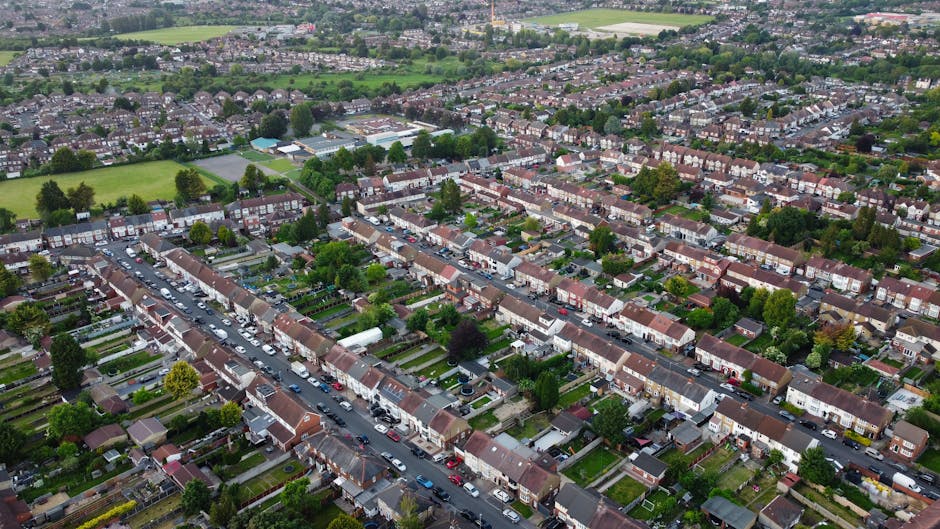
Why Havering Council Permits for Harold Hill Removals Explained Matters
Removal day is already a juggling act. Boxes are stacked near the door, the kettle is somehow still in use, and one person is trying to find the tape while another says, "I put the keys somewhere safe." In that kind of atmosphere, parking and access can be the difference between a calm load-out and a chaotic one.
In Harold Hill, permit issues usually matter because removal vehicles are bigger than everyday cars and need space to stop safely. If the street is narrow, heavily parked, or subject to waiting restrictions, a van may need temporary permission to load close to the property. Without that permission, you can run into enforcement problems, delays, or simply wasted time while the crew circles the block looking for legal parking.
The bigger point is this: permits are not just red tape. They help protect the move itself. A properly planned stop close to the home means less carrying distance, less risk of damage to furniture, and a cleaner handover at both ends. That matters even more for awkward items like wardrobes, beds, pianos, and heavy sofas, especially if you are using furniture removals in Harold Hill or a specialist team for piano removals.
Expert summary: If a van can park legally near your property, the move is usually simpler, quicker, and safer. If it cannot, plan for a permit or a workaround early rather than hoping for the best on the morning. Hope is not a parking strategy.
How Havering Council Permits for Harold Hill Removals Explained Works
The exact process can vary depending on the street, the vehicle, and the timing of your move, but the basic logic is straightforward. A permit is permission to use a specific space or road area for a set purpose and time. For removals, that usually means temporary loading or parking arrangements that support the move without breaching local restrictions.
In practical terms, the process usually starts with checking the property location and the route for the removal van. Is the road narrow? Are there yellow lines? Is there controlled parking nearby? Can the vehicle safely stop outside? If the answer to any of those is "maybe not," then permit planning should move up the to-do list fast.
You will also want to distinguish between three common situations:
- Short loading only: the van stops briefly while items are loaded or unloaded.
- Controlled waiting or parking: the van remains longer while the move is underway.
- Restricted access streets: parts of the route or parking area may have local controls that affect where the van can go.
That is why local knowledge matters. A route that looks fine on a map can feel very different once a long-wheelbase van arrives. Anyone who has moved near busy residential roads knows the feeling: one parked car too many and suddenly the van is hovering at an awkward angle with the back doors open and nowhere comfortable to stand.
For moves with tighter access, it can help to read a local guide such as safe removals on narrow roads. And if timing is tight, especially at short notice, same-day removals in RM3 offers a useful perspective on planning under pressure.
Key Benefits and Practical Advantages
Getting the permit side sorted early brings more benefits than people expect. Some are obvious, others only become obvious when something goes wrong.
- Less risk of delay: the van can get closer to the property, so loading starts on time.
- Lower carrying distance: fewer steps with heavy furniture means less fatigue and lower damage risk.
- Better safety: a legal, planned stop is safer for the crew, the neighbours, and passing traffic.
- Fewer surprises: you are less likely to discover restrictions mid-move.
- Cleaner scheduling: your removal slot becomes more predictable, which is helpful if you are handing over keys the same day.
There is also a subtle benefit that people miss: permits reduce friction with neighbours and other road users. Nobody likes a van blocking a driveway or sitting in a space it should not be in. When the move is clearly organised, the whole street tends to feel less tense.
If you are moving valuable or awkward items, that peace of mind matters. It pairs well with specialist planning for fragile belongings, and with sensible packaging through packing and boxes support in Harold Hill. If you are moving into storage or staging the home, storage in Harold Hill can also reduce the pressure on moving day.
Who This Is For and When It Makes Sense
Not every move needs the same level of permit planning. A detached house with a private driveway is a very different story from a top-floor flat on a busy road. Still, permit checks are sensible in more situations than people realise.
You are most likely to need to think about permits if you are:
- moving from a terraced house with limited frontage;
- relocating from a flat where the van cannot park immediately outside;
- using a larger removal vehicle or long-wheelbase van;
- moving during busy weekday hours when road space is tight;
- staying on-street for longer than a very brief load;
- dealing with stairs, narrow hallways, or a tricky route from door to van.
For example, a couple moving out of a first-floor flat may think, "It is only a few boxes and a sofa." Then moving day arrives, the van cannot wait where expected, and suddenly that "simple" move becomes a relay race. In those cases, using a local removal team familiar with flat removals in Harold Hill or house removals can make a real difference.
This also matters for students, shared homes, and last-minute moves. If you are in a hurry, the street layout often decides the plan more than the packing does. That is just how it goes sometimes.
Step-by-Step Guidance
Here is the cleanest way to handle permit-related planning without overcomplicating it.
- Assess the access first. Look at the road, parking, turning space, and how close the van can realistically get to the door.
- Check the timing of your move. Early morning, school-run hours, lunch time, and late afternoon all create different pressure points.
- Measure the vehicle impact. A small van and a full removal vehicle are not treated the same by practical access planning, even if the moving job is similar.
- Ask whether waiting or loading time is likely to be extended. If there are stairs, long carries, or multiple trips, plan for more than a quick stop.
- Book early where possible. Permit requests and parking permissions are easier to manage when they are not left until the day before.
- Prepare the property for fast loading. Place boxes by category, dismantle furniture in advance if needed, and keep hallways clear.
- Keep documents and contact details ready. If a parking issue arises, you do not want to be searching through a drawer full of tape and takeaway menus.
One practical tip: build the permit check into your moving timeline the same way you would build in boxing and cleaning. For a more complete moving plan, the stress-free house moving guide and the moving day checklist are worth having open in another tab while you plan.
And yes, if your move involves a lot of heavy lifting, it is sensible to think through the physical side too. The article on heavy lifting hacks for going solo covers some useful basics, though be honest with yourself here: some jobs are better left to a proper team.
Expert Tips for Better Results
After plenty of moving-day messiness, a few habits consistently make things easier.
- Build in a buffer. Even if everything looks simple, parking and access often eat more time than expected.
- Use a realistic loading zone. If the closest legal spot is not outside the front door, work out the next best place in advance.
- Avoid peak friction times. School runs, commuter traffic, and bin collection days can create little headaches that add up.
- Label heavy items clearly. It helps the team place them near the door first, which shortens the lift cycle.
- Prepare for weather. A wet front path or slippy paving is a small thing until someone is carrying a mattress through drizzle. Then it is suddenly very noticeable.
If you are moving furniture that is bulky or delicate, talk through the plan early with the removals team. A sofa that fits through the hallway on paper may still need a different exit route, and a piano may need special handling. A bit of planning avoids the awkward moment where everyone is standing still, measuring the staircase with their eyes and pretending not to worry.
For particularly large items, useful reading includes how to preserve your sofa during storage, protecting your piano with professional moving services, and efficient methods for moving your bed and mattress.
![The image shows the entrance to Hanwell Underground station, with a person standing on the pavement facing the station's ticket machines and entrance archway. The station building is constructed from light-colored brick with dark blue trim around the doorway and windows. A blue sign displaying the station name 'Hanwell' is mounted above the entrance, along with the Elizabeth Line logo in the top left corner. To the left of the entrance, there are several bicycles parked, including one with a waterproof cover and a Metro-style rental bike. The area is illuminated by a street lamp on the right side of the image. Inside the station's entrance, the ticket machines are visible, and the station's automated systems can be seen. The overall scene is well-lit with clear skies, indicating daytime. This setting could relate to home relocation or transport logistics managed by [COMPANY_NAME], involved in packing, handling, and loading processes typical of removals and moving services, especially within the context of London transportation infrastructure.](/pub/blogphoto/havering-council-permits-for-harold-hill-removals-explained2.jpg)
Common Mistakes to Avoid
These are the mistakes that cause the most avoidable stress.
- Assuming parking will sort itself out. It often does not.
- Leaving permit checks until the last minute. That is how simple moves become frantic ones.
- Ignoring the size of the van. What works for a small car is not automatically fine for a removal van.
- Forgetting about loading time. The space may be available for five minutes, but not necessarily for an entire move.
- Not checking for restrictions outside peak hours. Some streets change character at different times of day.
- Failing to brief neighbours or building managers. This can lead to misunderstandings, especially in flats and terraces.
A lot of these mistakes come from optimism, which is fair enough. Everyone wants the move to be straightforward. But moving day has its own opinions, and it does not always share yours.
If your move involves bulky items or a lot of unwanted furniture, the guide to dealing with bulky waste in Harold Hill moves is useful reading. And if you are in a terrace property with stairs and tight turns, the article on terraced home staircase solutions is especially relevant.
Tools, Resources and Recommendations
You do not need a huge toolkit for permit planning, but a few simple resources help a lot.
- Measurement app or tape measure: useful for checking hallways, doorways, and the likely loading route.
- Printed moving schedule: a paper checklist is surprisingly handy when your phone is covered in fingerprint smudges and tape residue.
- Box labels and room markers: help the unloading side go faster.
- Photo record of access: a quick set of photos can help you explain a tricky frontage or road layout to the removals team.
- Clear contact list: keep the move coordinator, property contact, and any relevant building contact details together.
From a service perspective, it also helps to choose a provider that understands local access problems, not just one that can lift boxes. Start with the overview of removal services in Harold Hill, and if you need help with a short-notice job, see same day removals in Harold Hill. For pricing clarity, you can also review the pricing and quotes information before confirming anything.
Small aside, but a useful one: if you are planning to stack boxes in storage, choose a packing style that lets you identify essentials without unpacking everything at once. Future-you will be grateful. Very grateful.
Law, Compliance, Standards, or Best Practice
Permit and parking arrangements for removals sit in the broader world of local compliance and road-use rules. You do not need to become a transport lawyer to move house, but you do need to respect the basics: do not block traffic, do not ignore restrictions, and do not assume that a van can sit anywhere just because the job is temporary.
Best practice in this area usually means three things. First, plan access lawfully. Second, reduce risk to pedestrians and property. Third, communicate clearly with whoever is managing the move. That may sound obvious, yet it is exactly where problems begin when people are rushing.
If your move is involving paid removals, it is sensible to work with a company that treats safety as part of the job rather than an afterthought. You can get a sense of that through the site's insurance and safety information and the health and safety policy. If you care about how the business is run more broadly, the about us page is worth a look too, though the important part is still the same: safe, lawful, well-organised moving practice.
There is also a sustainability angle worth mentioning. If you are reducing waste before the move, or separating items for reuse and recycling, that is good practice and often makes the whole process lighter. The recycling and sustainability page fits neatly into that mindset.
Options, Methods, or Comparison Table
When you are deciding how to handle access and permits, it helps to compare the typical approaches.
| Option | Best for | Pros | Trade-offs |
|---|---|---|---|
| Private driveway or off-street access | Homes with clear parking space | Fast, simple, low friction | Not available for every property |
| Short legal loading stop | Quick moves with close frontage access | Convenient and efficient | Can be tight on timing |
| Temporary permit or controlled arrangement | Busy roads and restricted areas | More secure planning, less disruption | Requires early organisation |
| Remote parking with longer carry | When no close access is available | Possible without special permission | Slower, harder on the crew, more risk of damage |
For most Harold Hill removals, the best option is the one that keeps the van as close as legally and safely possible without causing problems. If you are moving a single room, a small van may be enough. If you are moving a whole house, a larger vehicle and more careful planning usually make more sense. The right choice depends on the property, not just the budget.
Case Study or Real-World Example
A typical Harold Hill move we see goes something like this: a family in a terraced house is leaving on a Friday morning. The road is busy, parking is limited, and there is a narrow stretch outside the property. At first, the family assumes the removal van can simply stop outside for an hour. In reality, that street is tighter than it looks, and the nearest workable space is a short walk away.
Once the access issue is spotted early, the plan changes. Boxes are consolidated closer to the front room, the heaviest furniture is dismantled first, and the loading order is changed so the most awkward items go out while the legal space is still available. The move is not magical. It is still a move. But it is calmer, quicker, and less likely to trigger a parking headache.
That is usually the pattern. The smoother moves are rarely the ones with the fanciest equipment; they are the ones where the small details were handled before anyone started carrying a sofa past the front door. If you have ever tried to rotate a mattress in a hallway while someone says "careful, careful" for the fifth time, you will know exactly what I mean.
Practical Checklist
Use this checklist before moving day:
- Check whether your street has parking or loading restrictions.
- Confirm where the removal vehicle can legally stop.
- Look at the size of the van and how much space it needs.
- Plan for stairs, corners, and carrying distance.
- Prepare boxes so the heaviest items are ready first.
- Clear hallways, landings, and entry points.
- Keep essential documents and keys easy to reach.
- Ask about permit or access planning early if the property is on a tight road.
- Separate bulky waste or items being left behind.
- Leave a bit of timing slack, because moving day loves surprises.
If you are also getting rid of larger items, the article on hidden removal fees in Harold Hill is worth reading so you are not caught out by extras that should have been explained earlier.
Conclusion
Havering Council permits may not be the most exciting part of a move, but they are one of the most practical. In Harold Hill, where road space, parking pressure, and access can vary street by street, a little permit planning can prevent a lot of unnecessary stress. It protects your schedule, reduces carrying distance, and helps the whole move feel more controlled.
The simplest approach is to treat parking and access as part of the move itself, not a separate admin task. Check early, plan carefully, and choose a removals setup that fits the property rather than hoping the property will somehow fit the plan. That is usually where the trouble begins. A calm move is rarely perfect, but it is very achievable.
Get a free quote today and see how much you can save.
If you want the next step to feel less overwhelming, start with the basics: sort your access, sort your boxes, and give yourself one less thing to worry about when the doors open on moving day.