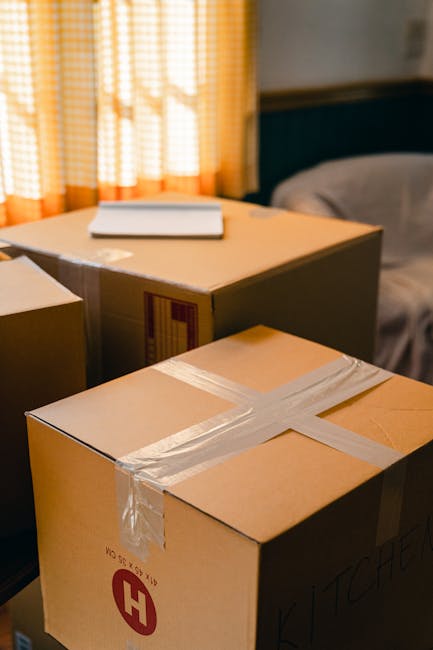
Moving Tips for Suttons Estate Residents in Harold Hill
If you are preparing a move in Suttons Estate, you already know the difference between a smooth day and a stressful one can come down to small, practical decisions. Parking, access, packing order, fragile items, and timing all matter. This guide on moving tips for Suttons Estate residents in Harold Hill brings together the kind of advice that actually helps on moving day, not just the kind that sounds good on paper.
Whether you are moving from a flat, a family house, a first home, or a property with awkward access, the goal is the same: reduce damage, save time, and avoid last-minute panic. You will find planning advice, step-by-step guidance, local considerations, and a few expert shortcuts that can make the whole process feel far more manageable.
Expert summary: A good move is rarely about moving faster. It is about preparing earlier, packing smarter, lifting safely, and matching the right service to the right job.
Why Moving Tips for Suttons Estate Residents in Harold Hill Matters
Suttons Estate is like many established residential areas: some homes have straightforward access, while others involve stairs, tight hallways, shared entrances, or limited parking nearby. That means even a simple move can become complicated if you do not plan for the practical realities of the property and the street.
Good moving advice matters because it helps you anticipate the issues that usually cause delays. For example, a sofa that looks manageable in the living room may prove awkward once you reach a narrow landing. A fridge freezer that is not prepared correctly can create a mess at the last moment. And if you have not booked the right type of help, you may end up doing more lifting than expected.
For residents in Harold Hill, the smartest approach is to think in layers: household preparation, packing, access, transport, unloading, and post-move clean-up. When those layers are handled in order, the day usually feels calmer and more controlled. If you want a broader overview of the moving process, the guide on moving without stress is a useful companion piece.
How Moving Tips for Suttons Estate Residents in Harold Hill Works
At its simplest, moving well is a sequence of decisions. You sort what is coming with you, pack in a logical order, prepare bulky items, arrange transport, protect the property, and then unload in the right sequence. The tip itself is not magic; the value is in how it prevents avoidable problems.
Here is the practical flow most successful moves follow:
- Survey the property. Identify stairs, doors, lifts, parking space, and any difficult corners.
- Declutter before boxing anything. Removing unwanted items cuts time and reduces transport volume. A helpful starting point is these decluttering tips for moving day.
- Pack by room and by priority. Essentials go last into the van but first into the new home.
- Prepare awkward items separately. Beds, sofas, and large appliances need extra planning.
- Protect both homes. Floor coverings, door protection, and clear walkways reduce damage.
- Unload with a room plan. If everything is placed randomly, unpacking becomes slower and more tiring than it needs to be.
This is where local moving services can help. If you are comparing professional options, reviewing the services overview can help you understand what support is available and which type of move suits your situation.
Key Benefits and Practical Advantages
The obvious benefit of careful moving is reduced stress, but there are several more concrete advantages too.
- Less damage to furniture and walls. Good planning means fewer collisions and fewer rushed carries.
- Faster loading and unloading. When items are grouped properly, the team does not waste time searching for essentials.
- Lower risk of injury. Safe lifting and better handling reduce strain on your back, hands, and shoulders.
- Better use of vehicle space. A well-packed van carries more efficiently and securely.
- Less disruption to neighbours and the street. Efficient loading helps keep the move tidy and respectful.
- Cleaner handover. A move that includes proper cleaning and final checks makes it easier to leave the property in good condition. For more detail, see how to clean thoroughly before moving out.
There is also a mental benefit that people underestimate. Once you know every box has a purpose and every large item has a plan, the day feels far less chaotic. That matters more than it sounds. Moving is rarely just physical; it is decision fatigue in a pair of gloves.
Who This Is For and When It Makes Sense
This advice is useful for anyone moving in or out of Suttons Estate, but it is especially valuable if your move has one or more of the following features:
- You are moving from a flat or maisonette with stairs or shared access.
- You have bulky furniture that will not simply glide through the door.
- You are moving on a tight timescale and need the process to run efficiently.
- You are relocating with children, pets, or a busy work schedule.
- You are moving valuable items such as a piano, heavy wardrobe, or specialist equipment.
- You need a man and van, full removals service, or a same-day arrangement.
Students, first-time movers, and downsizers all benefit from a slightly different approach. A student move may prioritise speed and cost control, while a family move often needs stronger packing systems and better furniture protection. If you are in a smaller property, flat removals support may be more relevant than a full-scale house move. If you have a larger property, house removals services may fit better.
Step-by-Step Guidance
A structured approach keeps moving day from turning into a scramble. The following steps work well for most Suttons Estate moves.
1. Start with a property walk-through
Look at every room and make decisions before you touch a box. Measure anything borderline, especially wardrobes, mattresses, bookcases, and appliances. Check hallways and stair turns. If you have a sofa that might need a different angle or partial disassembly, decide that now, not at the doorway.
2. Declutter early
The less you move, the easier the job becomes. Sort items into keep, donate, recycle, and discard. Be honest. If a lamp has sat in a cupboard for four years, it probably does not deserve a place in the van. For a practical method, the article on simplifying your move with decluttering gives a very workable framework.
3. Gather materials before packing starts
Use sturdy boxes, tape, bubble wrap, labels, markers, wardrobe boxes, and furniture covers. If you are short on supplies, the packing and boxes service is useful to explore before moving week arrives.
4. Pack by category and room
Pack kitchen items together, bedroom items together, and essentials separately. Clearly label each box with the room and a short description. For example, "Kitchen - mugs and kettle" is much more useful than "miscellaneous."
5. Prepare special items carefully
Some items need extra attention:
- Sofas: cover fabric, remove loose cushions, protect corners, and check width against doorways. More advice is available in professional sofa storage guidance.
- Fridges and freezers: defrost and dry them properly before moving to avoid leaks and odours. See freezer storage advice for the correct approach when appliances are not immediately being used.
- Beds and mattresses: strip bedding, protect the mattress, and keep fixings in a labelled bag. The guide on moving a bed and mattress is especially helpful here.
- Pianos: do not improvise. This is one of those jobs where caution wins every time. If needed, consider specialist piano removals rather than trying to muscle through it.
6. Confirm transport and access details
Make sure your vehicle or removals team knows exactly where to park, which entrance to use, and whether there are any time restrictions. If the access point is tight, tell them in advance. This is also the stage to confirm any insurance, safety, or payment details. You can review insurance and safety information and payment and security details before booking.
7. Load in the right order
Heavy furniture and large appliances usually go first, followed by sturdy boxes, then lighter and more fragile items. Keep essentials accessible. It is much easier to unpack the kettle, bedding, toiletries, and a phone charger when they are not buried behind a wardrobe and half the kitchen.
8. Do a final sweep before leaving
Check cupboards, loft spaces, sheds, meters, windows, and behind doors. A final walk-through can save you from the classic moving-day regret of realising the charger or keys are still on the kitchen shelf. That is not a fun discovery, and nobody needs more drama before lunch.
Expert Tips for Better Results
Experienced movers tend to rely on a few habits that make a noticeable difference. These are not flashy tricks, but they are effective.
- Label on the side, not only on the top. You can still read the box when it is stacked.
- Keep one essentials bag. Include documents, medication, chargers, snacks, wipes, a tape cutter, and keys.
- Use smaller boxes for heavy items. Books, crockery, and tools become unmanageable in oversized boxes.
- Protect corners and glass separately. A little extra wrapping is cheaper than a replacement.
- Disassemble selectively. You do not need to dismantle every item, only the ones that genuinely benefit from it.
- Protect your posture. Lift with your legs, keep loads close, and avoid twisting under weight. If you want a more detailed explanation of safe lifting principles, take a look at this guide to kinetic lifting and solo heavy-lifting strategies.
If you are moving on your own, remember that smart pacing matters more than speed. A slower, organised lift is usually safer than a rushed one. Truth be told, the box you drop while trying to "save time" tends to steal that time back immediately.
Common Mistakes to Avoid
Most moving problems are surprisingly predictable. Once you know the common mistakes, it becomes much easier to avoid them.
Leaving packing too late
Packing on the morning of the move nearly always leads to poor decisions, missing labels, and badly protected items.
Using the wrong box size
Big boxes are tempting, but they are not ideal for heavy goods. Overpacked boxes are hard to carry and more likely to split.
Failing to measure furniture
Many awkward moments happen at the front door because nobody checked dimensions properly.
Ignoring access restrictions
If parking is difficult or a lift is unavailable, you need to know before the van arrives.
Not separating essentials
If tea bags, medication, toilet paper, and phone chargers are packed randomly, the first night in the new home becomes unnecessarily inconvenient.
Trying to move risky items without the right help
Heavy or delicate items can be expensive to repair if handled badly. If the move includes furniture or specialist pieces, reviewing furniture moving support is a sensible step. If the schedule is especially tight, same-day removals may be worth considering.
Tools, Resources and Recommendations
You do not need a warehouse of equipment to move well, but the right tools help enormously.
| Item | Why it helps | Best used for |
|---|---|---|
| Sturdy double-walled boxes | Better protection and stacking strength | Books, kitchenware, mixed household items |
| Packing paper and bubble wrap | Prevents scratches and breakage | Glassware, frames, ornaments |
| Furniture blankets | Shields surfaces during transit | Sofas, tables, wardrobes |
| Mattress covers | Protects from dirt and moisture | Bedrooms and storage moves |
| Hand truck or trolley | Reduces strain during loading | Appliances, heavy boxes |
| Marker pens and labels | Makes unpacking much easier | Room-by-room organisation |
As for practical resources, it helps to know which service matches your move. For a simple local job, a man with a van service may be enough. For more structured relocations, removal services or comparative removal company options may suit you better. If you need storage between addresses, storage solutions are worth considering.
You may also want to review pricing and quotes early, especially if you need a flexible schedule or a move with multiple stops.
Law, Compliance, Standards, or Best Practice
Most home moves are straightforward, but a few best-practice points are worth keeping in mind.
First, make sure any removals provider you use is clear about insurance, handling procedures, and terms of service. That does not just protect the business; it protects you too. It is reasonable to ask how items are covered during loading, transit, and unloading.
Second, if you are moving in a shared building or estate, respect access rules, communal areas, and parking arrangements. This is less about bureaucracy and more about keeping neighbours on side and avoiding preventable delays.
Third, lifting and carrying should follow sensible health and safety practice. If a box is too heavy, split it. If an item is too awkward, use the right equipment or get help. If you want to understand the provider's safety approach, take a look at their health and safety policy and accessibility information.
Finally, if you are disposing of unwanted items, use responsible recycling where possible. Many moves generate more waste than people expect. The page on recycling and sustainability is a useful reminder that a move can be organised and considerate at the same time.
Options, Methods, or Comparison Table
Different moves need different levels of support. The right choice depends on budget, time, access, and how much heavy lifting you want to manage yourself.
| Method | Best for | Strengths | Trade-offs |
|---|---|---|---|
| DIY van hire | Small loads and flexible schedules | Lower upfront cost, full control | More effort, more risk, more time |
| Man and van | Flats, student moves, local relocations | Practical, efficient, often cost-effective | May be limited for very large moves |
| Full removals service | Family homes, bulky furniture, complex moves | Less stress, better handling, more support | Usually a higher overall cost |
| Storage plus move | Gap between properties or staggered move dates | Flexibility and fewer time pressures | Extra planning needed |
If you are unsure which route fits your situation, comparing the options against your access needs is usually more helpful than comparing prices alone. A slightly cheaper option can become expensive if it takes longer, creates damage, or causes a second trip.
Case Study or Real-World Example
Imagine a family moving from a Suttons Estate house into another property in Harold Hill. They have a large corner sofa, a double bed, a few heavy boxes of books, a freezer, and a handful of fragile kitchen items. On paper, it looks like a "one van, one trip" move. In reality, there are three things that change the plan: access at both properties, the time needed to dismantle furniture, and the need to defrost the freezer properly before loading.
Instead of treating the move as one giant task, they break it down. They declutter first and remove unused items. They label boxes by room. They separate an essentials bag for the first night. They measure the sofa and realise one section should come off before the move, which saves time on the day. They also arrange the right level of support rather than guessing.
The result is a calmer move, fewer surprises, and less strain on everyone involved. That is the real value of proper planning: not perfection, just fewer avoidable headaches.
Practical Checklist
Use this checklist in the week before your move.
- Confirm moving date, arrival time, and access details.
- Check parking arrangements near both properties.
- Declutter each room and set aside donations or recycling.
- Pack non-essential items first.
- Label every box clearly with room and contents.
- Prepare a separate essentials box or overnight bag.
- Defrost, clean, and dry appliances where needed.
- Disassemble beds or bulky furniture only if necessary.
- Protect sofas, mirrors, and glass items with suitable covers.
- Keep screws, bolts, and fittings in labelled bags.
- Take meter readings and photos if you need a record.
- Do a final walk-through of cupboards, lofts, and storage areas.
- Check the property for waste, keys, and forgotten items.
If you want a more detailed preparation sequence, packing tips for a stress-free house move can help you tighten up the process further.
Conclusion
Moving in Suttons Estate does not have to feel overwhelming. The best results usually come from simple habits done well: clear planning, careful packing, realistic timing, and the right support for heavy or awkward items. If you prepare early and keep the process organised, moving day becomes much more predictable.
For residents in Harold Hill, the key is to match the move to the property, not the other way around. Measure carefully, protect your belongings, use the right equipment, and do not hesitate to get help when the job calls for it. That approach saves time, reduces damage, and keeps the whole experience far calmer.
If you are still deciding between transport options, professional handling, or storage, a quick comparison of services can make the next step much easier.
Get a free quote today and see how much you can save.
Frequently Asked Questions
What is the best way to prepare for a move in Suttons Estate?
Start by checking access, decluttering each room, and packing non-essential items first. A clear plan is more valuable than rushing on the day.
How early should I start packing before moving day?
Ideally, begin with off-season or rarely used items one to two weeks ahead, then move to daily essentials closer to the date.
Do I need a full removals service or just a man and van?
That depends on the size of your home, the weight of your furniture, and whether you need extra help with packing or lifting. Smaller local moves often suit a man and van arrangement, while larger or more complex jobs may need a fuller service.
How do I move heavy furniture safely?
Use proper lifting technique, keep the load close to your body, and avoid twisting. For very heavy pieces, use trolleys or ask for help. If you want more practical guidance, read about safe lifting methods before attempting it alone.
What should I do with my freezer before moving?
Defrost it well in advance, dry it thoroughly, and keep it clean so you avoid leaks and smells. Appliances need more prep than many people expect.
How can I protect my sofa during the move?
Remove loose cushions, cover the fabric, and protect corners and legs if needed. If the sofa is large or valuable, consider specialist handling or storage advice.
Are there special tips for moving a bed and mattress?
Yes. Strip the bed, label hardware, protect the mattress with a cover, and keep all fittings together. A mattress left unprotected can pick up dirt very quickly.
What if I need storage between homes?
Storage can be a sensible solution if your moving dates do not align. It reduces pressure and gives you time to settle the move properly.
How do I avoid damage in narrow hallways or stairs?
Measure the largest items before moving day, protect walls and door frames, and plan the carrying angle in advance. If access is especially tight, tell the removals provider early.
Should I clean my old home before I leave?
Yes, if possible. A proper final clean helps with handover and reduces the chance of leaving behind avoidable mess. It also gives you a better final check of each room.
Is same-day moving possible in Harold Hill?
Sometimes, yes, depending on availability and the size of the move. If your plans change suddenly, same-day removals can be a practical fallback.
How do I know if a removals company is trustworthy?
Look for clear pricing, service details, safety information, and transparent terms. Good providers explain what is included and how your items will be handled.
What is the biggest mistake people make when moving?
Leaving too much to the last minute. Late packing creates stress, increases damage risk, and usually makes the move feel much harder than it needs to be.