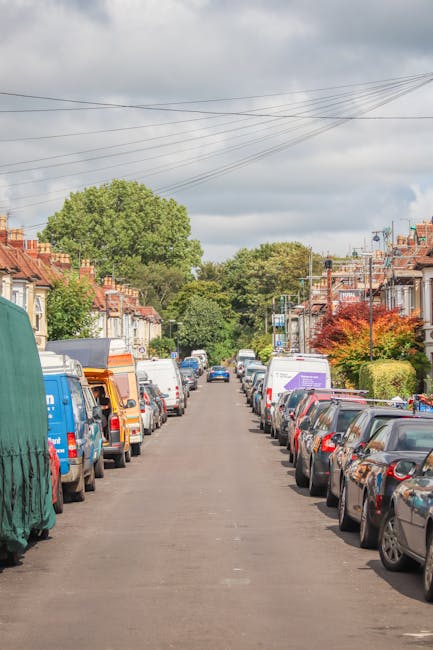
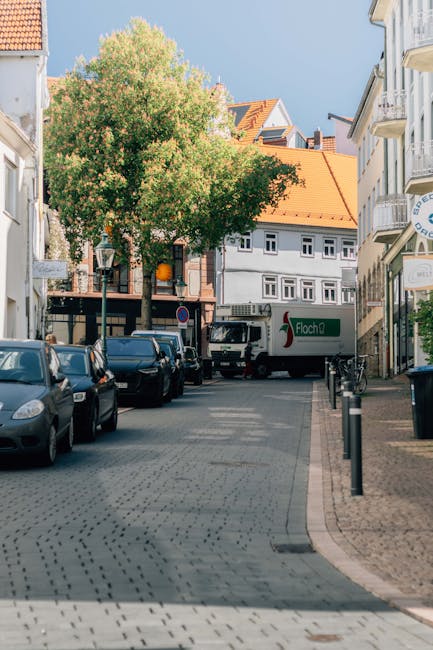
Romford Road removals tips for Harold Hill parking and loading
If you are planning a move near Romford Road, the parking and loading part can make or break the day. On paper, it sounds simple: pull up, load the van, and go. In real life, you are dealing with parked cars, tight timing, narrow bits of road, neighbours coming and going, and the usual moving-day nerves. That is exactly why these Romford Road removals tips for Harold Hill parking and loading matter. Get the kerbside plan right and everything feels calmer. Get it wrong and you can lose time, money, and a fair bit of patience.
This guide walks through the practical side of moving in Harold Hill: how parking and loading usually work, what to check before the van arrives, which mistakes catch people out, and how to keep things smooth without turning the day into a traffic-watching exercise. It is written for real moves, not perfect ones. Truth be told, most moves are a bit messy. The trick is making the mess manageable.
Table of Contents
- Why Romford Road removals tips for Harold Hill parking and loading Matters
- How Romford Road removals tips for Harold Hill parking and loading Works
- Key Benefits and Practical Advantages
- Who This Is For and When It Makes Sense
- Step-by-Step Guidance
- Expert Tips for Better Results
- Common Mistakes to Avoid
- Tools, Resources and Recommendations
- Law, Compliance, Standards, or Best Practice
- Options, Methods, or Comparison Table
- Case Study or Real-World Example
- Practical Checklist
- Conclusion
- Frequently Asked Questions
Why Romford Road removals tips for Harold Hill parking and loading Matters
Parking and loading are not side issues on moving day. They are the core of a decent move. In an area like Harold Hill, where road layout, on-street parking pressure, and time-of-day traffic can all affect access, the difference between a tidy load and a chaotic one is often just a bit of planning.
Romford Road itself is a route where you may need to think carefully about van position, walking distance to the front door, and whether you can load in one clean run or need to work in stages. That matters because every extra trip carries risk: more carrying, more lifting, more chances to bang a door frame or block the road longer than needed. If you have ever stood on the pavement with a mattress in the rain while someone shuffles cars around, you will know the feeling. Not ideal.
There is also a neighbourly side to this. Good parking and loading practice helps keep pavements clear, keeps access sensible, and reduces the chance of upsetting residents or inviting avoidable complaints. For a one-bedroom flat or a full house move, the principle is the same: make the van work for you, not against you.
How Romford Road removals tips for Harold Hill parking and loading Works
At a practical level, a removal plan around Romford Road and Harold Hill usually comes down to four things: access, timing, vehicle size, and load order. These sound basic, but that is the point. The smartest moves are often the boring ones done well.
First, think about access from the property to the vehicle. Is there a direct driveway, a shared forecourt, or only on-street parking? Is the kerb high? Are there trees, bins, lamp posts, or low walls in the way? Even a van parked two houses away can add a surprising amount of carrying time.
Second, think about timing. Early morning can be calmer for parking, but not always. School runs, commuting traffic, refuse collection, and local deliveries can all change the picture. Later in the day may be easier in some streets and worse in others. You do not need a perfect answer. You just need the least painful one.
Third, vehicle size matters more than people expect. A larger vehicle may reduce trips, but it can also be harder to park neatly near the property. A smaller removal van or man and van setup can be more flexible if the street is awkward. On the other hand, a bigger load might justify a larger vehicle if you can get it close enough. There is no magic formula; it depends on the actual street, not the brochure.
Finally, load order matters. You want the items you will need first at the front of the job plan, but not buried where they are awkward to reach. Boxes, small furniture, and protective materials should be easy to grab. Heavy pieces should be handled in a way that protects both the item and the people carrying it. Simple, really. Though on move day, simple can start to feel like a luxury.
Key Benefits and Practical Advantages
When you plan parking and loading properly, the benefits are immediate and very visible. You save time. You reduce lifting distance. You lower the chance of damage. And you make the whole move feel less frantic.
Here are the main advantages in plain English:
- Less carrying time: A van parked closer to the door means fewer steps and fewer trips.
- Lower risk of damage: Shorter carries and better loading reduce knocks, scrapes, and dropped items.
- Smoother traffic flow: A tidy loading plan reduces the chance of blocking the road for longer than necessary.
- Less stress for everyone: Movers, friends, family, and neighbours all benefit from a calmer setup.
- Better use of labour: If you are paying a team, good access means you get more value from their time and energy.
There is also a subtle benefit that people often miss: a well-planned load looks professional. That sounds minor, but it changes the whole tone of the day. When the van is positioned properly, the route into the property is clear, and the loading sequence is organised, everyone settles down faster. And yes, it shows.
If you are comparing help options, it can be useful to look at broader moving support such as removal services, house removals, or even packing and unpacking services if the job is more involved. Better planning is not just about the street outside; it is about the whole chain from front room to van floor.
Who This Is For and When It Makes Sense
This advice is useful for almost anyone moving in Harold Hill, but it is especially relevant if your property faces a busier road, has limited off-street parking, or sits in a residential street where parking fills up quickly. It also matters if you have bulky furniture, fragile items, or a tight moving window.
You will probably find this most useful if you are:
- moving from a flat with limited outside space
- living on or near Romford Road and need a practical loading plan
- moving a family home with lots of boxed items and furniture
- using a smaller vehicle and want to make the most of each run
- trying to coordinate helpers who are not full-time movers
- working to a same-day handover or a narrow schedule
It also makes sense if you are trying to keep costs under control. A clean loading setup can help a move finish faster, which may reduce extra labour time. Of course, that depends on the service and the job, but the principle is sound.
To be fair, even a straightforward move benefits from this kind of planning. You might only be taking a few larger items and a stack of boxes, but if the van ends up parked awkwardly and everyone has to zig-zag around bins and doorsteps, the job still turns clunky. A little thought now saves a lot of huffing later.
Step-by-Step Guidance
Here is a practical way to handle parking and loading for a Romford Road move in Harold Hill without overcomplicating it.
- Check the access before move day. Walk the route from your front door to the road. Look for narrow paths, steps, tight corners, low branches, and anything that could slow down carrying. If you have a neighbour's car or a skip nearby, factor that in too.
- Decide where the van should stand. The best spot is usually the closest safe space to the property entrance that does not block essential access. You want enough room for doors, ramps, and safe lifting.
- Think about timing. Aim for a time when kerbside space is more likely to be available. If you know the street gets busy at certain times, plan around that rather than hoping for the best.
- Separate your load into categories. Put boxes, furniture, delicate items, and essentials into different groups before the van arrives. This makes loading faster and avoids confusion.
- Protect floors and doorways. Use covers or blankets where needed, especially if items have to pass through a narrow hall or over a threshold.
- Load heavy and awkward items first. Sofas, wardrobes, and white goods usually go in early, with lighter and more flexible items used to fill gaps.
- Keep essentials accessible. Put kettle, documents, chargers, medication, and first-night necessities somewhere easy to reach, not buried under ten boxes of kitchenware.
- Re-check the parking situation. Streets change during the day. A van space that was clear at 8:00 may not be clear at 10:00. Stay alert.
- Leave a little breathing room. If possible, avoid packing the schedule so tightly that one minor delay ruins the whole day. Moving is rarely a stopwatch-perfect job.
One small tip that pays off: do a five-minute "last look" before the van starts loading. It sounds almost too simple. Yet that is often when people spot the loose mirror, the box left in the kitchen, or the door wedge still under the frame. Handy, that.
Expert Tips for Better Results
The best parking and loading results usually come from small decisions made early. In our experience, the people who avoid the biggest headaches are not always the ones with the biggest van. They are the ones who think two steps ahead.
1. Use the closest safe side of the road, not just the closest space. A slightly longer walk on a safer and cleaner loading side can be better than squeezing in where doors cannot open properly.
2. Keep one person focused on the van layout. When too many people carry items in random order, the van can become a puzzle nobody wants to solve at the end of the job. One person calling the sequence helps.
3. Protect the "first out, last in" logic. If you know you will need a box of bedding or a bag of overnight items first, plan where it sits in the load. Do not leave it stranded behind the washing machine. You will regret that at 9 p.m. when everyone is tired.
4. Use a small staging area. If the front room or hallway is clear, items can be lined up logically before they go out. It makes loading calmer and reduces back-and-forth.
5. Keep communication very plain. Short instructions work best on move day: "that box next," "sofa goes in now," "hold for the car passing." Nobody wants a committee meeting on the pavement.
6. Be realistic about weather. Rain, drizzle, and wet paths slow things down. On damp mornings, loading straps, box handles, and footwear all deserve more attention than usual.
7. Choose support that fits the access. For awkward streets, a flexible service such as man with van removal or a larger moving truck can be the better fit depending on volume and access. Bigger is not always better. Sometimes just a bit more nimble is what you really need.
A small human truth here: most loading problems are not dramatic. They are just annoying little things stacked on top of each other. A bin left out, a car parked too close, one extra trip because the wardrobe was loaded badly. Fix the small things and the day gets easier fast.
Common Mistakes to Avoid
Some move-day problems repeat so often they almost become traditions. Best not to join the club.
- Assuming parking will sort itself out: It usually will not. If space matters, plan for it.
- Booking the wrong size vehicle: Too small means extra trips. Too big can mean harder parking and slower loading.
- Leaving fragile items until the end without protection: The final rush is exactly when people make careless mistakes.
- Ignoring neighbours and shared access: Blocking drives or entrances without thinking can create avoidable tension.
- Loading without a clear sequence: Random loading is how jobs become longer than they should be.
- Forgetting about stairways and tight hallways: What looks easy in a room can become awkward at the door.
- Not preparing essentials separately: If you need to search for the kettle, phone charger, or documents at the end, the day starts feeling rough all over again.
One more mistake worth calling out: people sometimes overpack boxes to save space. That can make them awkward, unsafe, and more likely to split. A box should be manageable. If it needs a heroic lift, it is probably too heavy. Let's not pretend otherwise.
Tools, Resources and Recommendations
You do not need a warehouse full of kit to handle loading well, but a few practical tools make a surprising difference.
- Removal blankets and wraps: Helpful for protecting furniture edges, tables, mirrors, and polished surfaces.
- Strong tape and labels: Keep box contents clear and help everyone know what goes where.
- Protective gloves: Useful for grip and hand protection, especially in damp weather.
- Trolleys or sack trucks: Good for heavier items if the route and surfaces are suitable.
- Door protectors and floor covers: Worth it if you have tight corners, carpets, or new flooring.
- Bin bags for soft goods: Quick way to group linens, cushions, and light clutter.
- Measuring tape: A small thing, but useful if you need to check whether larger furniture will fit through a door or into the van.
For related planning support, it can help to read about Havering Council permits for Harold Hill removals explained and parking suspension rules for Harold Hill movers. If your move involves local access issues, these topics often sit right alongside parking and loading decisions. They are not exciting reads, perhaps, but they can save you a headache.
If you are comparing services, the website also has useful pages on pricing and quotes and insurance and safety. That combination matters. A fair price is good; a fair price with sensible protection is better.
Law, Compliance, Standards, or Best Practice
Parking and loading around a residential move is not just a logistics question. It also touches on local rules, considerate road use, and general moving-day safety. Exact parking restrictions can vary by street, road markings, signage, time of day, and council-controlled arrangements, so it is always sensible to check the current position before you rely on a kerbside space.
As a general best practice, avoid blocking driveways, dropped kerbs, emergency access, or pavements where pedestrians would be forced into the road. Be careful with hazards around the property too. Wet steps, loose rugs, cluttered hallways, and poor lighting are all simple things that become awkward very quickly during a move.
For removals work, the standard expectation is that items are handled safely, packed sensibly, and loaded in a way that reduces damage and injury risk. That is exactly why careful preparation matters. A good mover or well-organised household does not just grab things and hope. They plan the route, protect surfaces, and use methods that fit the conditions.
If you are dealing with a more complex move, it can also be sensible to review the company's health and safety policy, terms and conditions, and complaints procedure. That is not about being fussy. It is about knowing what to expect before the van arrives and making sure everyone is on the same page.
Options, Methods, or Comparison Table
Different moves call for different approaches. The best option is the one that fits the street, the volume, and how much carrying you want to do.
| Option | Best for | Pros | Trade-offs |
|---|---|---|---|
| Small van or man and van | Limited parking, lighter loads, short-distance moves | Easier to position, flexible in tight roads, often quicker to park | May need more trips if the load is large |
| Standard removals van | Typical house moves with moderate access | Balanced capacity, good for most family moves | Can be awkward if the road is very tight |
| Larger moving truck | Big moves with decent access and lots of furniture | Fewer runs, better for high-volume loads | Harder to place near the property in tight streets |
| Split loading plan | Busy roads, timed access, mixed item sizes | Flexible, can reduce congestion and improve order | Needs good coordination and clear labelling |
There is no single winner here. A lot depends on your exact property and how much you are moving. For some households, a nimble man with van setup is the smartest choice. For others, especially with bigger furniture or office gear, a more substantial removal truck hire approach may make more sense.
Case Study or Real-World Example
Here is a realistic example from a typical Harold Hill move. A family was moving from a terraced property with on-street parking and a fairly narrow front path. Nothing dramatic, but not a dream setup either. They had a sofa, two beds, a dining table, around thirty boxes, and the usual mixed bag of lamps, toys, kitchen items, and a suspiciously heavy box labelled "misc."
The first plan was to park as close as possible to the front door. In practice, that would have blocked access more than it helped. Instead, the van was positioned a short distance away where doors could open fully and loading could happen without constant shuffling. The team used a small staging area inside the hallway, separated the fragile items, and loaded the larger pieces first.
Two things made the biggest difference. First, the boxes were labelled clearly enough that the right items came off in the right order at the other end. Second, the family had already set aside a small essentials bag for the first night. No one was hunting for toothbrushes at 10 p.m. in a mountain of cardboard. Always a win.
The move was still a move - there was a bit of sweat, a couple of awkward turns, and one moment where someone realised the kettle was in the wrong pile. But it finished on time, with no damage and no neighbour complaints. That is what good parking and loading planning tends to do. It does not make moving glamorous. It just keeps it sane.
Practical Checklist
Use this checklist the day before and again just before the van arrives.
- Confirm where the van can safely park near the property
- Check for road works, parking pressure, or scheduled obstructions
- Walk the route from the front door to the road
- Clear bins, toys, loose rugs, and clutter from walkways
- Protect floors, corners, and door frames if needed
- Label boxes clearly by room or priority
- Set aside valuables, documents, keys, medication, and chargers
- Prepare a first-night essentials bag
- Separate fragile items from heavy or awkward ones
- Make sure everyone knows who is directing the loading order
- Check weather conditions and footwear
- Keep water and a quick snack available, because moving day is tiring, no matter how organised you are
Expert summary: the smartest Romford Road removals tips for Harold Hill parking and loading are usually the simplest ones: plan the van position early, reduce the carrying distance, protect the route, and load in a clear order. Do that well and the whole move feels more controlled, even if the street is busy and the day is a bit noisy around the edges.
Conclusion
Romford Road removals tips for Harold Hill parking and loading come down to one idea: do not leave the hardest part of the move to chance. Parking, access, and load order affect everything that follows. If you get them right, the rest of the day becomes far more manageable.
Think about where the van will stand, how far items need to travel, what could block the route, and how to keep the load tidy from start to finish. Small decisions make a big difference here. They really do.
If you are planning a move in Harold Hill and want to compare options, check the service details, and make the parking side feel less daunting, take a calm look at your needs first. That simple step often turns a stressful day into a well-run one. And that, honestly, is half the battle.
Get a free quote today and see how much you can save.
Moving is rarely perfect, but with the right plan, it can still feel clear, steady, and surprisingly human.
Frequently Asked Questions
What is the best way to plan parking for removals on Romford Road in Harold Hill?
The best approach is to check the property access in advance, identify the safest close parking spot, and allow for the actual street layout rather than assuming the first space will work. A few minutes of planning can save a lot of carrying later.
Do I need a permit for removal parking in Harold Hill?
It depends on the exact road, restrictions, and whether any suspension or special parking arrangement is needed. Because rules can vary, it is sensible to check local conditions before move day and not leave it until the van is already outside.
Is a smaller van better for tight parking near Romford Road?
Often, yes. A smaller van or man and van setup can be easier to position in narrow streets or busy residential areas. That said, if you have a large load, a bigger vehicle may still be more efficient if access allows it.
How do I stop moving day from blocking my neighbours?
Try to keep the van positioned so it does not block drives, entrances, or pedestrian routes. Let neighbours know if you expect temporary disruption, and keep the loading area as tidy as you can. A little courtesy goes a long way.
What should I load first on a house move?
Usually the larger and heavier furniture goes in first, followed by sturdier boxes and then lighter items used to fill gaps. Essentials for the first night should be kept separate and easy to reach, not buried at the back.
How far in advance should I plan parking and loading?
Ideally, start a few days before the move if you can. At minimum, do a proper check the day before and again on the morning of the move, because street conditions can change quickly.
Can I use a man and van service for a Harold Hill flat move?
Yes, a man and van service can be a good fit for smaller moves, especially where parking is tight or access is awkward. It can be a practical choice when you want flexibility and do not need a large vehicle.
What if the road is busy when the van arrives?
If the road is busy, focus first on safe positioning and clear communication. It may be better to wait briefly for a better parking slot than to force a poor setup that slows everything down. Patience tends to pay off here.
How do I protect items while loading and unloading?
Use blankets, wraps, padding, and decent box labels, and make sure fragile items are separated from heavy furniture. Good protection is not fancy; it is just consistent and careful.
Are there hidden costs linked to parking and loading issues?
There can be, especially if delays lead to extra labour time or if access problems require a different vehicle setup. That is why it helps to review pricing and make sure the removal team understands the property conditions before the move.
What is the most common mistake people make with local removals parking?
The most common mistake is assuming there will be a convenient parking space right outside the property without checking first. Streets can change by the hour, and what looks easy on a quick visit can be much harder on moving day.
Should I choose a removals company based on parking experience?
It is wise to choose a team that understands local access issues and can talk clearly about van size, loading order, and planning. Experience with real streets, not just nice-sounding promises, can make a noticeable difference.
What if I only have a few items to move?
Even a small move benefits from sensible parking and loading planning. A few awkward items can still be difficult if the van is badly placed or the route to the road is cluttered. Small jobs can be sneaky like that.