Terraced Home Moves in Harold Hill: Staircase Solutions
Posted on 18/06/2026
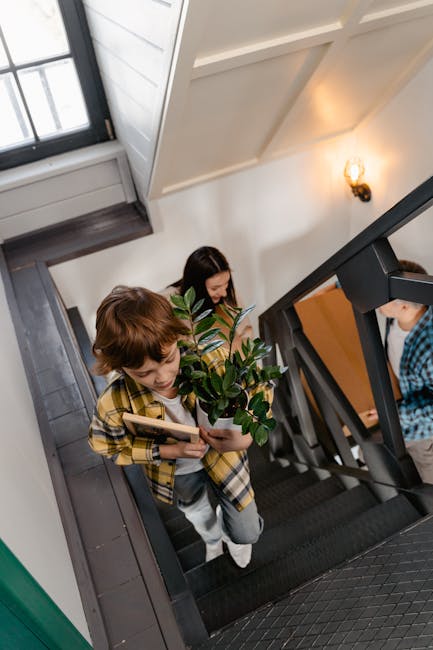
Moving out of a terraced house in Harold Hill can be a bit of a puzzle, and the staircase is usually where the day gets interesting. Narrow turns, tight landings, awkward banisters, and furniture that looked perfectly manageable in the living room suddenly feel a lot bigger on the stairs. If you are planning Terraced Home Moves in Harold Hill: Staircase Solutions, this guide walks you through the practical side of getting bulky items up and down safely, without turning moving day into a wrestling match.
You will find clear steps, sensible safety advice, and a few local realities that matter in Harold Hill homes. We will cover how staircase moves actually work, which items cause the most trouble, how to prepare your property, and when it makes sense to call in help. Let's face it: a good plan saves time, bruised shins, and a fair bit of stress.
Table of Contents
- Why staircase planning matters in terraced home moves
- How staircase solutions work in practice
- Key benefits and practical advantages
- Who this is for and when it makes sense
- Step-by-step guidance
- Expert tips for better results
- Common mistakes to avoid
- Tools, resources and recommendations
- Law, compliance, standards, or best practice
- Options, methods, or comparison table
- Case study or real-world example
- Practical checklist
- Conclusion
- Frequently asked questions
Why Terraced Home Moves in Harold Hill: Staircase Solutions Matters
Terraced homes are brilliant for character and community, but they can be unforgiving on removal day. Staircases in these properties are often steeper or tighter than people expect, especially once you add wall corners, ceilings that seem to lower themselves, and the occasional carpet that grips just enough to make every turn awkward.
In Harold Hill, this matters because many moves involve a mix of family furniture, student setups, and full house contents squeezed through homes that were not designed with oversized wardrobes in mind. A staircase solution is not just about muscle. It is about measurement, sequencing, protection, and knowing when to split, lift, tilt, or carry an item in stages.
The biggest mistake people make is assuming the item will "just fit". That sentence has ruined many a calm morning. A sofa might clear the doorway but fail on the turn. A bed frame might be light enough until you meet the landing. And a washing machine? Heavy, awkward, and very determined to fight back.
Planning matters because it reduces damage to the property and the item, but it also reduces the risk to the people moving it. If you want a broader overview of move planning, it can help to read expert tips for a stress-free house moving journey alongside this guide.
How Terraced Home Moves in Harold Hill: Staircase Solutions Works
Staircase moving solutions are built around one simple idea: make the path safer and easier before anyone starts lifting. In practice, that means assessing the stairway, the object, and the route between them. It sounds basic, but this is exactly where many moves become chaotic.
Start with the staircase itself. Measure the width at the narrowest point, check the height of the turn, and look at the handrails, light fittings, and wall corners. A staircase with a tight turn may need the item to be carried vertically for one section, then rotated midway on the landing. Some pieces are moved with two people, some with three, and some are better dismantled first. Truth be told, a little dismantling often saves a lot of swearing.
Then look at the item. A bed base, sofa, piano, mattress, dining table, or bookcase each behaves differently on stairs. A mattress bends. A wardrobe usually does not. A sofa may need wrapping to avoid snagging on corners. A piano is in a category of its own and should be treated with exceptional care; if that is your situation, specialist piano removals in Harold Hill are worth considering rather than improvising with hope and tape.
The final part is route management. That means protecting bannisters, keeping floors clear, using the right lifting angle, and having one person call the moves so everyone stays in sync. A good mover does not just carry; they choreograph. Slightly dramatic, maybe, but accurate.
Key Benefits and Practical Advantages
The right staircase approach gives you more than just a quicker move. It makes the whole day feel controlled instead of improvised.
- Less damage to walls and railings: Padding and route planning prevent the little scrapes that quickly become annoying.
- Reduced risk of injury: Better lifting positions and fewer rushed turns mean less strain on backs, shoulders, and knees.
- Faster loading and unloading: When the staircase is mapped out, you avoid stop-start chaos.
- Better protection for furniture: Wrapping and dismantling where needed can preserve finishes and joinery.
- Less stress on moving day: A simple plan takes pressure off everyone involved, including the person making tea at 8 a.m. and wondering how it all became their problem.
There is also a cost benefit that people overlook. If a staircase move is handled badly, you can end up paying for avoidable delays, accidental damage, or even extra labour time. If you want to understand how moving charges are typically explained, take a look at hidden removal fees in Harold Hill before you book.
Expert summary: For terraced homes, the smartest staircase solution is almost never brute force. It is usually preparation, measurement, and the right order of operations. Small jobs can still go wrong if the route is ignored. Big jobs can go smoothly if the route is respected.
Who This Is For and When It Makes Sense
This kind of planning is useful for anyone moving in or out of a terraced home in Harold Hill, but some situations benefit more than others.
You will especially want staircase solutions if you are:
- moving bulky furniture such as sofas, beds, wardrobes, or appliances
- living in a narrow-fronted terraced house with a tight hallway
- moving with children, pets, or neighbours nearby and need to keep things calm
- handling a same-day or short-notice move
- relocating from a property with awkward first-floor access
- moving valuable or delicate pieces that should not be bumped around
It is also sensible when you are doing part of the move yourself and part with help. For example, you might move boxes independently but bring in support for the sofa, mattress, and white goods. If you are juggling timing, the guide on same-day removals in RM3 when time is tight is a useful companion read.
Students, small households, and people moving from compact terraces often underestimate the staircase issue because the property seems straightforward on a walkthrough. Then moving day arrives, and suddenly the staircase is the main event. It happens all the time.
Step-by-Step Guidance
Here is a practical process that works well in real homes. Keep it simple. Complicated plans tend to collapse under pressure.
- Measure the stairway and the item. Check the narrowest width, the landing depth, and any awkward turns. Measure the furniture too, including height once tilted.
- Clear the route fully. Remove shoes, doormats, wall hangings, loose rugs, and anything that can catch a foot or a box.
- Protect the surfaces. Use covers or padding on bannisters, door frames, and corners. A small bit of protection now prevents annoying damage later.
- Dismantle what can be dismantled. Bed frames, table legs, headboards, and shelving often move better in parts.
- Wrap the item properly. Use blankets, plastic wrap, or corner protectors where needed. If you are moving furniture generally, the advice in furniture removals in Harold Hill can help you think through the basics.
- Assign roles before lifting. One person leads, one supports, and one clears the route. If someone has to guess the next move, things get messy fast.
- Move slowly around bends. Pause at the landing if needed. Reset the grip rather than forcing a bad angle.
- Reassess after each large item. What worked for the sofa may not work for the mattress. Every item is a new little challenge.
A good rule of thumb: if the item has to "fight" the staircase, stop and rethink the angle. The staircase wins every time if you insist on stubbornness.
Expert Tips for Better Results
These are the details that often make the difference between a smooth move and a tiring one.
Use the landing as a reset point. Many terraced staircases are not truly straight. The landing can be used to rotate an item, adjust grip, and take pressure off the team for a moment. That pause matters more than people think.
Remove drawers and loose parts. A wardrobe or chest of drawers is much easier to control when weight is reduced. Empty drawers can still slide, so tape them shut or remove them altogether.
Protect your hands and feet. Good gloves improve grip; sturdy footwear helps with balance. It sounds obvious, but in a rush, obvious things get forgotten. A lot.
Plan the timing around neighbours. Terraced streets can be close-knit. If you know there will be extra foot traffic, try to avoid clashing with school runs, bin collection times, or the moment everyone seems to need the same patch of pavement.
Break down the move into categories. Start with easy boxes, then medium furniture, then awkward pieces. The staircase should be tackled when the team is still fresh, not after three flights of carrying and a bad decision about lunch.
Use specialist help for high-risk items. Pianos, antiques, oversized wardrobes, and some American-style fridge freezers are best handled by people used to the weight and balance issues involved. For delicate items, it is worth reading protecting your piano with professional moving services and efficient methods for moving your bed and mattress.
If you are working solo for part of the move, don't pretend you are invincible. That is a very quick route to the "why did I do this alone?" stage. The article on heavy lifting hacks for going solo gives some sensible, grounded advice.
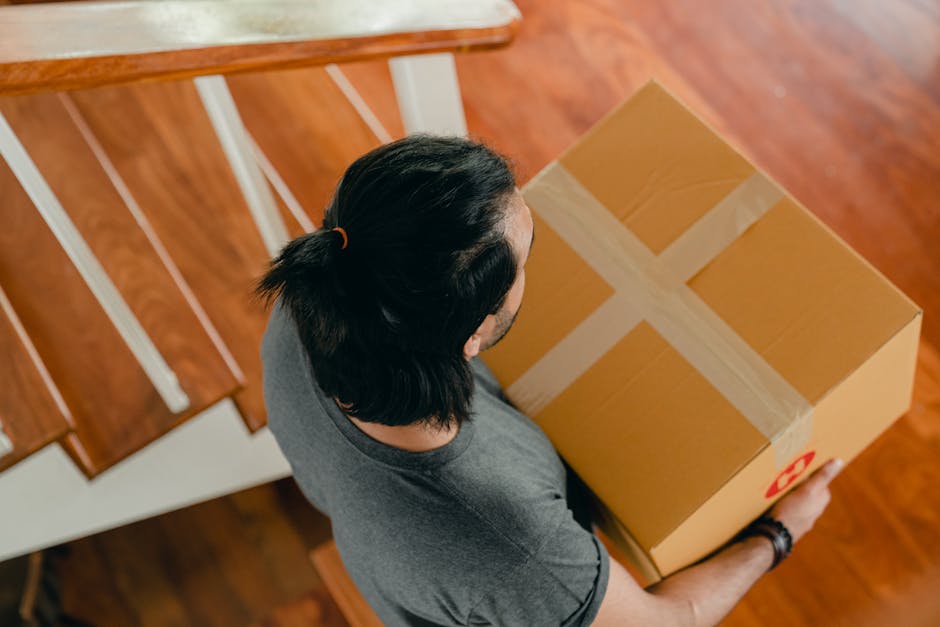
Common Mistakes to Avoid
Most staircase move problems are predictable. That is the frustrating part. They are usually not bad luck; they are planning gaps.
- Not measuring properly: A few centimetres can matter on a narrow turn.
- Trying to force oversized furniture through: If it catches, stop. Forcing it often creates damage on both sides.
- Leaving the route cluttered: One stray box can create a trip hazard right when everyone is focused on the item.
- Skipping padding: Even careful movers can nick plaster, railings, and banisters.
- Underestimating weight distribution: Some items look manageable but carry their weight badly, which is far trickier than pure heaviness.
- Having too many people involved: Oddly enough, extra hands can create confusion. More people is not always better.
- Forgetting weather and floor conditions: Wet shoes, muddy paths, or damp steps add avoidable risk.
One small but important point: if your move includes bulky waste, old broken furniture, or items you do not want to carry upstairs again, deal with that separately. There is a useful overview in dealing with bulky waste in Harold Hill moves. It can save you from moving something twice, which nobody wants.
Tools, Resources and Recommendations
You do not need a warehouse full of equipment, but a few sensible tools make a big difference.
| Tool or aid | Why it helps | Best used for |
|---|---|---|
| Furniture blankets | Reduces scuffs and corner damage | Sofas, tables, bed frames |
| Straps or webbing | Improves control and grip | Heavier awkward items |
| Corner protectors | Helps with wall and bannister contact | Narrow staircases |
| Dolly or trolley | Reduces carrying distance on level ground | Transfers to and from the front door |
| Gloves with grip | Improves handling and confidence | Most furniture moves |
| Stretch wrap | Keeps drawers and doors in place | Storage units, cabinets |
Packaging also matters. Strong boxes, proper tape, and labelling can reduce the number of trips up and down the stairs on moving day. For general packing support, see packing and boxes in Harold Hill and the broader packing made easy guide.
If you know you will not have room at the new place straight away, short-term storage can be a sensible pressure release. That is especially useful when staircase access is tight and you want to split the move over a day or two. In those cases, storage in Harold Hill can be part of a calmer plan.
Law, Compliance, Standards, or Best Practice
There is no special law for "terraced staircase moves" as such, but there are very real expectations around safe manual handling, property care, and responsible working practices in the UK. The practical rule is straightforward: if a lift or carry looks unsafe, it should be paused and reassessed.
Good practice usually includes:
- using enough people for the weight and shape of the item
- keeping walkways clear and reducing trip hazards
- wearing suitable footwear and using gloves where helpful
- protecting surfaces that could be damaged during handling
- avoiding rushed lifting or twisting on stairs
If you are booking help, it is sensible to review insurance, safety, and terms before moving day. Those pages may not be glamorous reading, but they matter. The most useful ones here are insurance and safety, health and safety policy, and terms and conditions.
For customers who want to understand service expectations a little better, services overview can also be helpful. If you care about how a company handles data, payments, or complaints, those details are worth checking too. Not exciting, but useful. Very useful.
Options, Methods, or Comparison Table
There is more than one way to deal with a tricky terraced staircase. The right method depends on the item, the route, and how much help you have.
| Method | Best for | Pros | Trade-offs |
|---|---|---|---|
| Carry in one piece | Small and medium items | Quick and simple | Not suitable for bulky or awkward pieces |
| Dismantle first | Beds, tables, shelving, wardrobes | Much easier on stairs | Takes extra prep time |
| Use two-person handling | Most household items | Balanced and controlled | Needs good coordination |
| Use specialist equipment | Heavy, fragile, or expensive items | Safer and more secure | Requires the right tools and experience |
| Split the move over time | Complex house moves | Less pressure on the staircase route | May require storage or extra logistics |
For many Harold Hill homes, the best answer is a mix of methods rather than one fixed approach. A mattress may carry fine; a wardrobe may need dismantling; a piano may need specialist handling; and a box of books may be better moved separately because, well, books are secretly bricks in disguise.
Case Study or Real-World Example
Imagine a family moving out of a two-storey terraced home near Harold Hill. The staircase is narrow, the landing is small, and the front room sofa has a wide arm and a solid frame. On paper, it looks manageable. In reality, the sofa catches on the turn halfway up.
Instead of forcing it, the movers stop, measure again, and remove the feet. That alone cuts a little bulk. They then wrap the sofa corners, protect the bannister with blankets, and rotate the item vertically on the landing. The move still takes care, but it no longer feels like a contest.
Now compare that with the bedroom furniture. The bed frame comes apart, the mattress is carried last, and the heavier pieces are moved while the team is still fresh in the morning. Boxes are labelled room by room, so nobody has to keep traipsing up the stairs with mystery contents. Simple. Not effortless, but simple.
The real lesson is this: staircase problems are rarely solved by strength alone. They are solved by sequence, patience, and a willingness to change the plan when the house tells you to.
Practical Checklist
Use this checklist before the first heavy item goes anywhere near the stairs.
- Measure the staircase width, landing size, and tightest corners
- Check each bulky item for removable parts
- Clear hallways, stairs, and landings completely
- Protect walls, bannisters, and doors with padding
- Prepare gloves, tape, wrap, and blankets
- Assign one person to call the lift
- Move the easiest items first, then the awkward ones
- Keep children and pets away from the staircase route
- Have water and a short break plan ready
- Review safety and insurance details before the day
If you are moving on a tight schedule, a well-prepared checklist is worth more than a lot of last-minute enthusiasm. For a broader moving-day approach, the moving day checklist can be a handy companion.
Conclusion
Terraced homes in Harold Hill bring real character, but staircase access can turn an ordinary move into a practical challenge. The good news is that the challenge is very manageable when you plan the route, choose the right method for each item, and respect the limits of the space. That is what staircase solutions are really about: making the move feel organised, safe, and a lot less stressful.
Whether you are shifting a few key pieces or managing a full house move, the best results usually come from a calm, measured approach. Measure first, lift second. And if something looks awkward on the stairs, stop and rethink it before damage or strain creeps in. Simple advice, but it works.
If you are comparing options or planning a move in the area, the next sensible step is to look at service choices, timing, and support levels that fit your home layout and schedule.
Get a free quote today and see how much you can save.
Sometimes the smoothest move is the one where somebody paused long enough to plan the staircase properly. That little bit of care can change the whole day.